Creating a productive home office environment is essential for anyone working remotely or juggling tasks outside a traditional office setting. A well-designed workspace not only helps you stay focused but also promotes comfort and efficiency throughout your day. Whether you have a dedicated room or a small corner, these tips will guide you in setting up a home office that supports your best work.
Choose the Right Location
Consider Natural Light
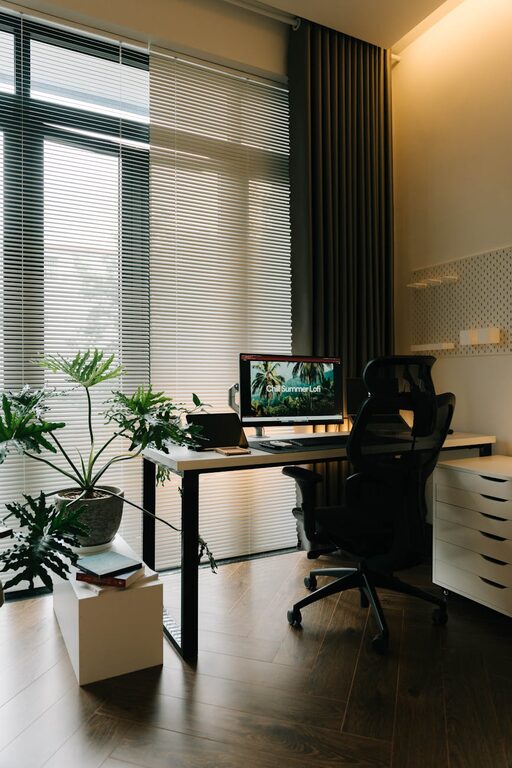
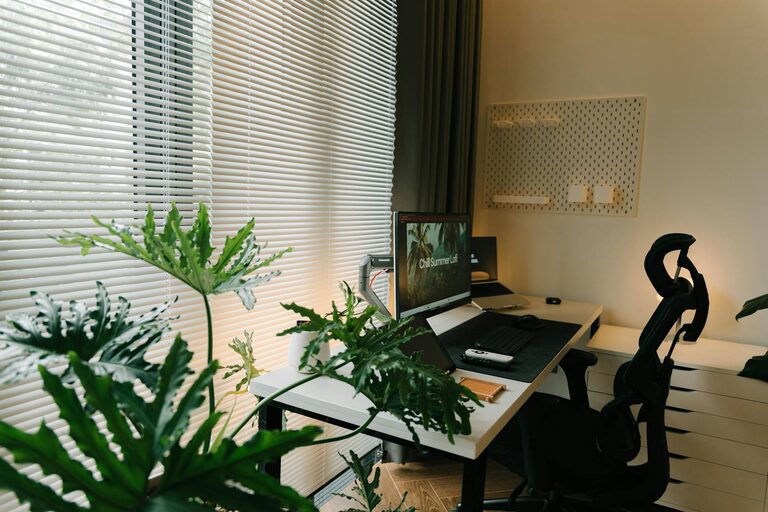
Position your workspace near a window if possible. Natural light helps reduce eye strain and boosts mood and energy levels. Avoid facing the window directly to prevent glare on your screen; instead, aim for side lighting or use blinds to diffuse the sunlight.
Minimise Distractions
Select a quiet area away from household noise and foot traffic. If this isn’t feasible, use noise-cancelling headphones or white noise machines to create an immersive work environment.
Ensure Good Ventilation
Fresh air circulation is vital for maintaining focus and comfort. Keep windows open when weather permits or use an air purifier to improve air quality.
Invest in Ergonomic Furniture
Comfortable Chair
A supportive chair with adjustable height and lumbar support prevents back and neck pain. Ergonomics play a big role in sustaining productivity during long work sessions.
Functional Desk
Choose a desk that fits your space and provides enough surface area for your computer, documents, and accessories. If space is limited, consider a wall-mounted or foldable desk.
Adjustable Equipment
Using a monitor stand to position your screen at eye level can reduce neck strain. An adjustable keyboard tray or a separate keyboard and mouse can also improve posture.
Organise Your Workspace
Declutter Regularly
Keep your desk tidy by removing unnecessary items. A clean workspace reduces stress and helps maintain focus.
Use Storage Solutions
Incorporate shelves, drawers, or organisers to keep papers, stationery, and electronic accessories neatly stored but within reach.
Cable Management
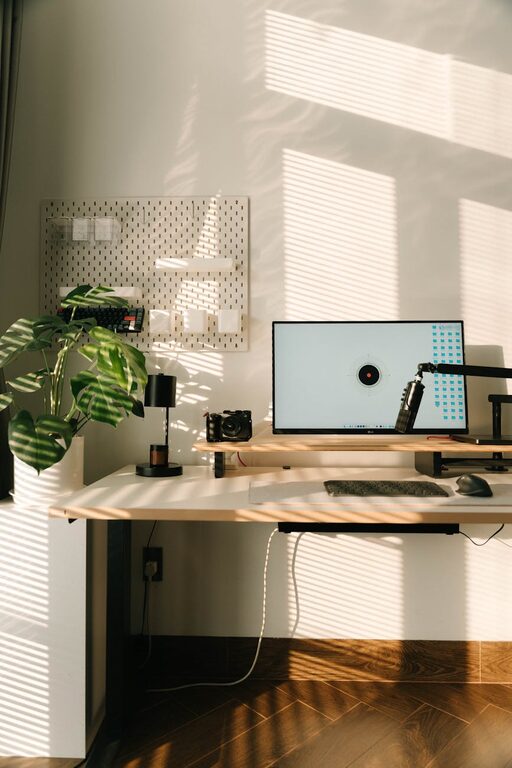
Tidy cables with clips, sleeves, or boxes to avoid tangling. A clutter-free desk not only looks better but also reduces the chance of accidents.
Establish Good Lighting
Layer Your Lighting
Combine ambient, task, and accent lighting in your home office. A desk lamp with adjustable brightness is ideal for focused work, while softer overhead lighting helps reduce eye fatigue.
Choose the Right Bulbs
Use daylight or soft white bulbs to create a comfortable atmosphere. Avoid harsh or flickering lights which may cause headaches.
Create a Routine and Boundaries
Set Working Hours
Defining your work hours helps create structure and balance between work and personal life. Communicate these to household members to minimise interruptions.
Include Breaks
Schedule regular short breaks to stretch, hydrate, and rest your eyes. This can increase overall productivity and wellbeing.
Designate Work and Relaxation Spaces
Avoid working from your bed or sofa. Separating workspaces from relaxation zones helps your brain shift between work mode and downtime.
Personalise Your Space
Add Plants
Indoor plants can improve air quality and bring a sense of calm and nature indoors. Even small succulents can brighten up your desk.
Incorporate Inspiring Elements
Display artwork, photos, or motivational quotes that resonate with you. A personalised space encourages creativity and makes working at home more enjoyable.
Choose Your Colours Wisely
Calming colours like blues and greens promote focus, while pops of bright colours such as yellow can add energy.
Utilise Technology Efficiently
Reliable Internet Connection
A fast and stable internet connection is critical for seamless communication and access to online resources.
Organise Digital Files
Keep your computer files and emails organised with folders, naming conventions, and regular backups.
Use Productivity Tools
Apps for task management, calendars, and communication can streamline workflows and help you stay on track.
—
By thoughtfully arranging your home office with these practical tips in mind, you create a space that supports your productivity and well-being. Remember, the key is to design a work environment suited to your unique needs and preferences, making every workday both effective and enjoyable.
About the Author