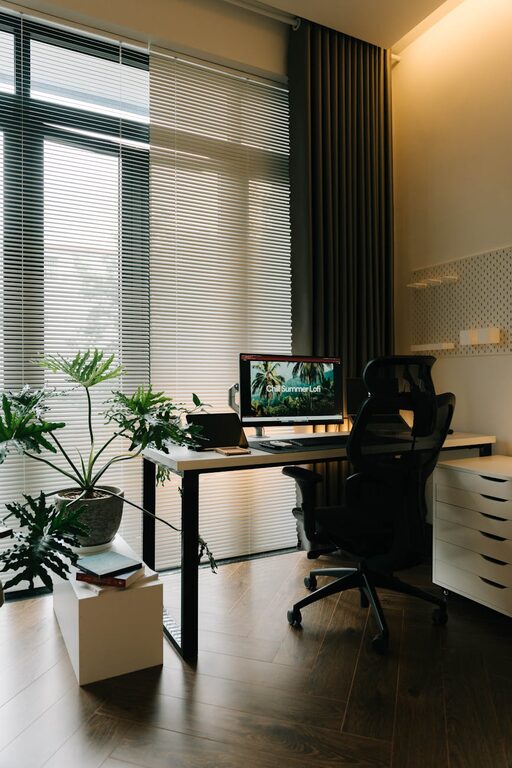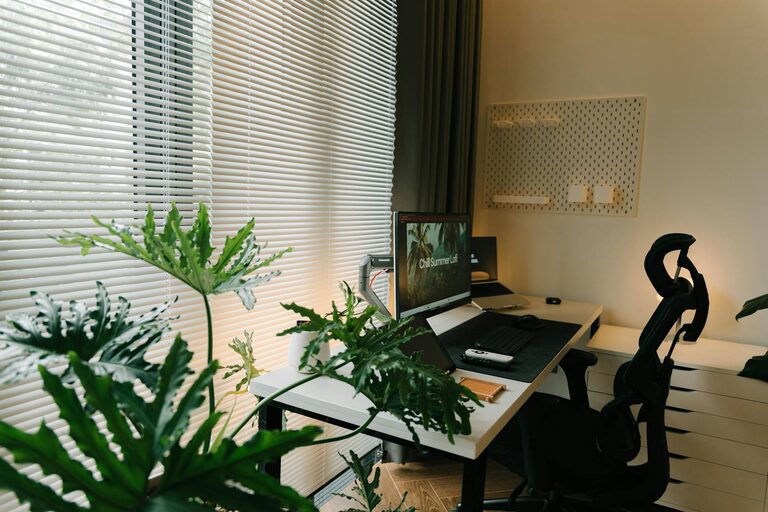
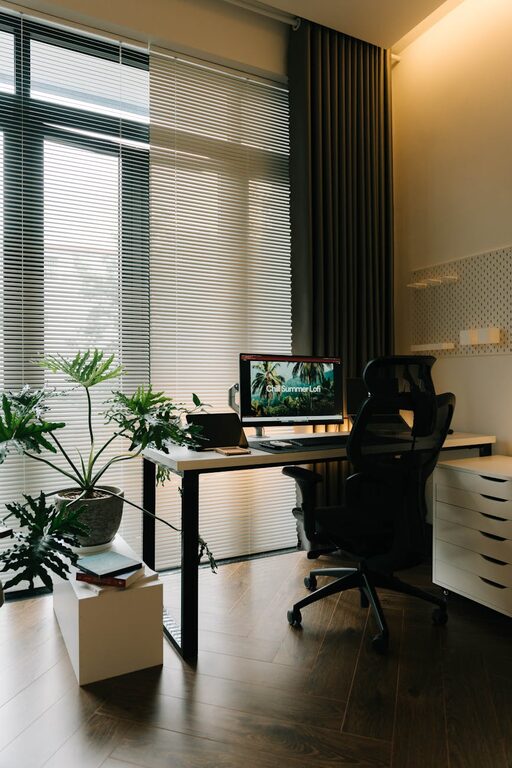
Creating a relaxing home workspace is essential in today’s world, where many of us spend a significant amount of time working from home. A well-designed environment not only increases productivity but also enhances your mental and physical well-being. Whether you have a dedicated room or a small corner, transforming your home workspace into a calming and efficient area is completely achievable. Here are some practical tips to help you create a space that encourages focus, creativity, and relaxation.
Understand the Importance of Your Workspace Environment
Your workspace affects how you feel and work. A cluttered or uncomfortable area can lead to stress and distractions, while a tidy, well-organised spot promotes calm and concentration. Before making any changes, take a moment to reflect on what currently works well and what doesn’t. This understanding will guide you in creating the ideal workspace.
Choose the Right Location
Prioritise Natural Light
Natural light has a tremendous impact on mood and energy levels. Ideally, set up your workspace near a window to benefit from daylight. This not only reduces eye strain but also helps keep your circadian rhythm balanced, making you feel more alert during the day.
Select a Quiet Spot
Try to find a space in your home that is free from noise and distractions. This could be a spare room, a study nook, or even a quiet corner of your living room. Using noise-cancelling headphones or playing soft ambient sounds can also help if you cannot avoid some background noise.
Invest in Comfortable and Ergonomic Furniture
Choose the Right Chair
A comfortable, supportive chair is a must-have. It should encourage good posture, keeping your back straight and your feet flat on the floor. Investing in an adjustable office chair can help prevent neck and back pain during long working hours.
Select a Suitable Desk
Your desk should match the size of your workload, offering enough space for your computer, paperwork, and other essentials without feeling cramped. Standing desks or adjustable desks offer the flexibility to alternate between sitting and standing, which can improve circulation and reduce fatigue.
Keep Your Workspace Organised
Declutter Regularly
Clutter can increase stress and reduce your ability to focus. Make it a habit to tidy your workspace daily, keeping only the items you need at hand. Use storage solutions like trays, shelves and filing cabinets to keep papers and supplies organised and out of sight.
Use Cable Management Solutions
Tangled cables can add to the visual clutter. Use clips, ties or under-desk baskets to keep wires neat and out of the way, contributing to a cleaner and more inviting space.
Personalise Your Workspace
Add Plants
Indoor plants bring life and a touch of nature to your home workspace. They improve air quality and create a calming atmosphere. Choose low-maintenance plants such as succulents, spider plants or peace lilies.
Incorporate Calming Colours
Colours influence mood and productivity. Soft, muted shades like pale blues, greens or neutrals promote relaxation and focus. You can include these through wall paint, accessories or artwork.
Display Inspirational Items
Whether it’s photographs, artwork or motivational quotes, having a few personal touches can make your workspace more inviting and encouraging.
Manage Lighting Effectively
Use a Combination of Lighting Sources
In addition to natural light, ensure you have adequate artificial lighting. Task lighting, such as a desk lamp with adjustable brightness, helps prevent eye strain when working in the evening or on cloudy days.
Avoid Glare and Shadows
Position your monitor and lights to minimise glare on the screen and reduce eye fatigue.
Incorporate Break and Movement Areas
Taking regular breaks and moving around refreshes both body and mind. If space allows, create a small area near your desk with a comfortable chair or space to stretch. Practising simple stretches or mindfulness exercises can help reduce stress during the workday.
Use Organisational Tools and Technology Wisely
Digital Organisation
Use apps and tools to keep your work tasks and calendar organised, reducing paper clutter and mental load.
Minimise Distractions
Keep your phone out of reach or on silent mode during focused work times. Using website blockers or focus timers can also support better concentration.
Maintain Good Air Quality and Comfort
Ventilate Regularly
Fresh air is essential for staying alert and comfortable. Open windows periodically to let in fresh air and avoid stuffiness.
Control Temperature and Humidity
Ensure your workspace is neither too hot nor too cold. Use fans, heaters or humidifiers as needed to create a comfortable working environment.
Establish a Routine and Boundaries
Having a consistent routine supports both productivity and well-being. Set specific work hours, take regular breaks, and clearly separate your workspace from leisure areas. This separation helps your brain switch between work mode and relaxation mode.
—
By thoughtfully designing your home workspace with comfort, organisation and relaxation in mind, you can create an environment that boosts your productivity while supporting your well-being. Start small, make gradual changes, and tailor your workspace to what feels best for you. A calm, inviting work area is key to working smarter and feeling better each day.
About the Author