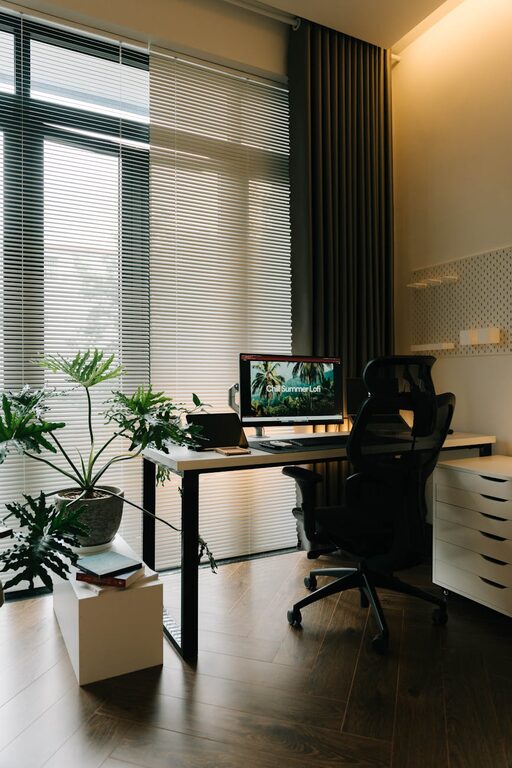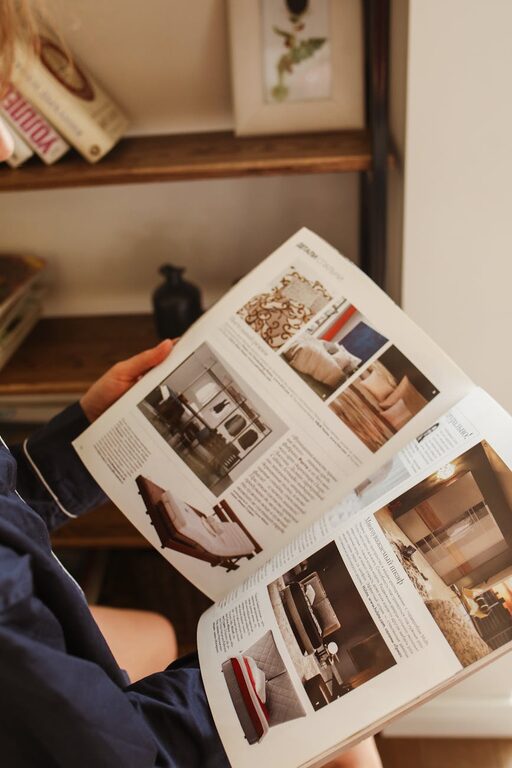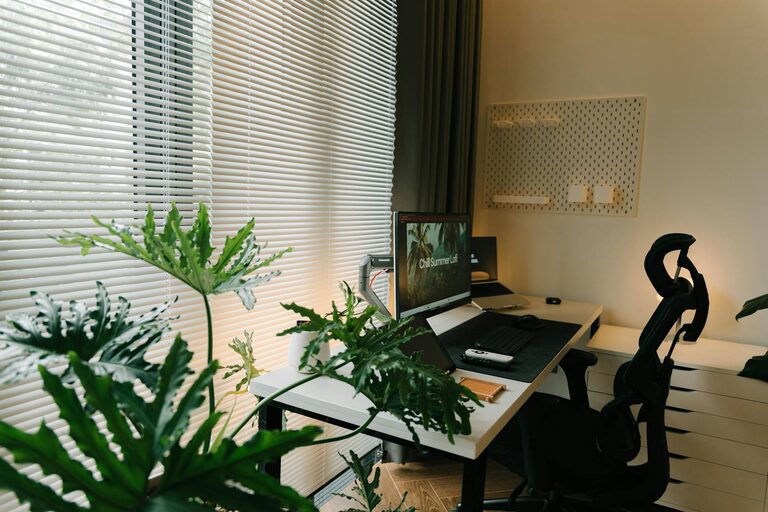
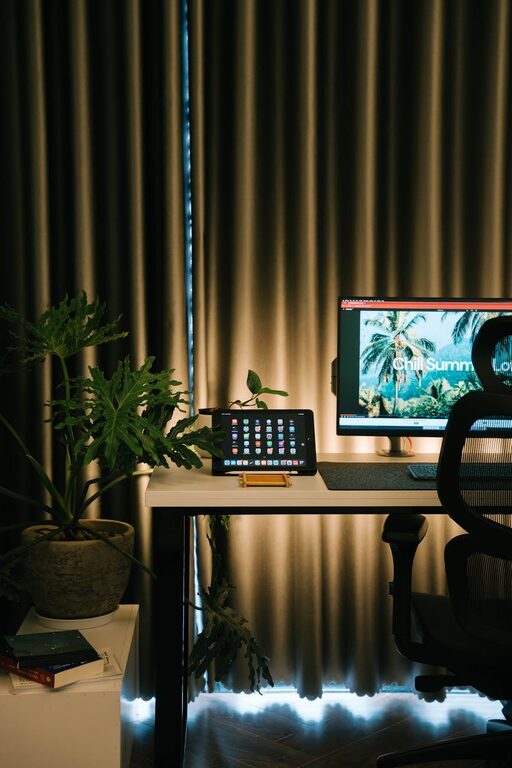
Creating a home office that feels both cosy and inviting can make a significant difference in your workday experience. Whether you work remotely full-time or occasionally need a quiet corner for tasks, a well-designed home office enhances focus, reduces stress, and helps sustain motivation. In this post, we share practical tips on how to turn your workspace into a welcoming and comfortable area that suits your needs.
Choose the Right Location
The first step to creating a cosy home office is selecting the best spot in your home. Ideally, it should be a quiet area with minimal distractions and good natural light. Here are a few location ideas:
– A spare bedroom or guest room
– A quiet corner of the living room or dining room
– An alcove or nook near a window
Avoid high-traffic areas where noise and interruptions are common. If space is limited, consider using room dividers or screens to create a distinct office zone.
Prioritise Comfortable and Functional Furniture
Choosing the right furniture is essential for both comfort and productivity. Here are the key pieces to invest in.
Desk
Your desk should fit your work style. If you use a computer predominantly, ensure it has enough space for your monitor, keyboard, and any other tools. For writers or creatives, a larger surface may be preferable.
Chair
Comfortable seating is non-negotiable. Look for an ergonomic chair with good lumbar support, adjustable height, and breathable fabric. Remember, you might spend several hours seated, so investing in a quality chair contributes to your wellbeing.
Storage Solutions
Keep your space tidy and organised with storage options like shelves, filing cabinets, or drawers. Decluttering your workspace can reduce stress and improve focus.
Optimise Lighting
Proper lighting affects both your mood and your productivity.
– Position your desk near a window to maximise natural daylight.
– Use soft, warm light for a cosy ambiance.
– Add a desk lamp with adjustable brightness for focused tasks.
– Avoid harsh overhead lighting that can cause glare or eye strain.
Consider light dimmers or smart bulbs to easily adjust lighting according to different times of day and tasks.
Personalise Your Space
Adding personal touches makes your home office feel inviting and uniquely yours.
– Decorate with artwork, prints, or inspirational quotes that motivate you.
– Incorporate plants for a touch of greenery and to improve air quality.
– Use cushions or a small rug to add warmth and texture.
– Choose colours that calm and inspire you, such as soft blues, greens, or neutral tones.
Try to avoid cluttering your office with too many items—aim for a balance between personality and simplicity.
Create a Calming and Inviting Atmosphere
To enhance the cosy vibe, consider these atmosphere boosters:
– Incorporate soft textiles like a knitted throw or fabric curtains.
– Use scented candles or essential oil diffusers with gentle fragrances like lavender or citrus.
– Play background music or ambient sounds for concentration, if it helps your focus.
Adding these sensory elements turns your office into a space you look forward to spending time in.
Organise Your Workspace Efficiently
A well-organised desk reduces stress and saves time.
– Use cable management solutions to keep wires neat.
– Employ desk organisers for stationery and small items.
– Keep frequently used items within arm’s reach.
– Regularly tidy up your workspace at the end of each day.
Implementing simple organisation habits contributes to a peaceful work environment.
Add Technology Thoughtfully
While technology is essential, too many gadgets can create clutter and distraction.
– Invest in quality peripherals like a keyboard, mouse, and headset for comfort.
– Ensure your internet connection is strong and stable.
– Consider a monitor stand to raise your screen to eye level to avoid neck strain.
– Use wireless chargers or hubs to reduce cables.
Prioritise tools that genuinely improve your workflow.
Maintain Work-Life Balance with Boundaries
One challenge of working from home is separating work from relaxation.
– Use visual cues such as closing a door or separating your office area.
– Create a designated “start of work” ritual to shift your mindset.
– Take regular breaks and step away from your desk.
– Set clear working hours to avoid overworking.
A defined boundary helps maintain productivity and preserves your wellbeing.
Final Thoughts
Designing a cosy and inviting home office doesn’t require a large budget or professional help. By focusing on comfort, lighting, organisation, and personal touches, you can create a workspace that supports your productivity and makes your working hours more enjoyable. Remember to adapt your office to your needs and preferences—it’s a space meant to serve you well.
With these tips in mind, you can confidently transform even a small corner of your home into a productive, cosy office that feels just right. Happy decorating!
About the Author